Clinical assessment skills help pharmacists gather relevant information, interpret findings and decide what should happen next. They bring consultation skills, examination and clinical reasoning together.
Whether you work in community pharmacy, general practice or another clinical setting, development should reflect your role, the patients you assess and the limits of your competence.
A useful way to review your approach is to consider five questions throughout the consultation.
What needs attention first?
Begin by establishing the immediate problem and considering whether the presentation requires urgent action.
A familiar symptom can occur in different clinical circumstances. Before proceeding with a routine consultation, consider whether there are features that change the urgency or the setting in which the patient should receive care.
During case discussion, pause at the beginning and explain what you need to establish immediately. This helps you practise prioritisation alongside information gathering.
What information could change my decision?
A focused history gathers information that helps determine the next step.
Explore the symptom timeline, associated features, relevant medical and medicines history, previous episodes and what has already been tried. Ask what matters to the patient and what they hope to achieve.
When reviewing your questions, consider why each one is useful. Would the answer change the likely explanation, the examination required, the suitability of treatment or the need for referral?
If an essential piece of information is missing, recognise the gap before moving to a decision.
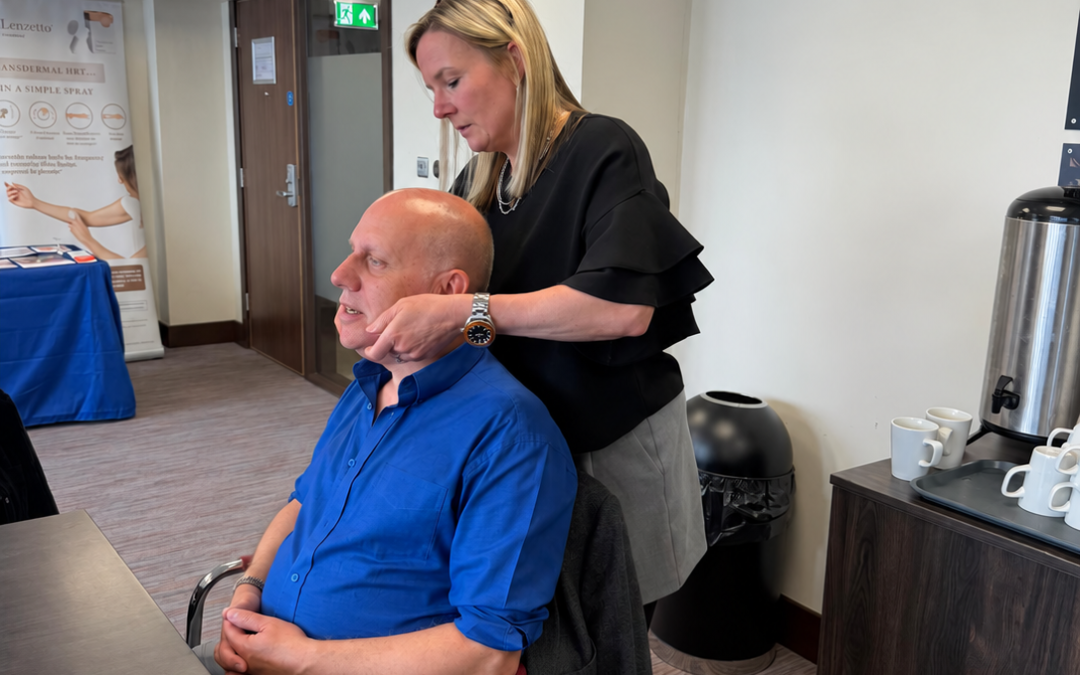
Which examination will help answer the clinical question?
Examination should follow from the history and the decision you need to make.
Explain its purpose, obtain appropriate consent and consider privacy, dignity and any chaperone requirements under your local policy.
When practising, work through four stages:
- Explain why the examination is relevant.
- Perform the technique appropriately.
- Describe the findings accurately.
- Explain how the findings affect the next step.
Ask the observer to provide feedback on each stage. This gives you more useful information than a general comment that the examination went well.
Be clear about limitations. If you could not obtain an adequate view or complete the assessment, that limitation needs to inform the plan.
Can I explain my decision?
Bring the history and examination together before deciding what to do.
State the working explanation, the alternatives that remain relevant and the reason for the proposed action. Where uncertainty remains, explain how it will be managed.
For a prescriber, the assessment must also support the suitability of any proposed medicine. In another professional role, the appropriate action may be advice, further assessment or referral.
The General Pharmaceutical Council’s standards emphasise maintaining knowledge and skills, using current evidence and recognising when referral is needed.
Does the patient understand what happens next?
A clear plan should explain the agreed action, the relevant timescales and any review arrangements.
The patient also needs presentation-specific advice about changes that require earlier help and how to access that help.
NICE guidance on shared decision making recommends making the decisions, next steps and review arrangements clear at the end of the discussion.
One practical exercise is to ask a colleague playing the patient to explain the plan in their own words. If their understanding differs from what you intended, revise the explanation.
Turn feedback into a learning goal
After an observed consultation, choose one specific improvement.
You might need to describe examination findings more precisely, explain uncertainty more clearly or improve the structure of your history taking.
Record the context, the feedback and what you will practise next. This creates a useful record of development and makes subsequent feedback easier to compare.
CliniLink’s Minor Illness and Clinical Assessment Masterclass combines GP-led teaching, clinical scenarios, practical stations and supporting Academy learning. Individual feedback helps delegates identify strengths and areas for further development.
Frequently asked questions
Does attending a workshop demonstrate independent competence?
A workshop can provide evidence of learning and performance in the setting observed. Independent practice also depends on your competence and the relevant professional, employer and service requirements.
Are these skills useful before becoming a prescriber?
Yes. Gathering information, communicating findings and recognising when further assessment is needed are relevant to many pharmacy roles.
How should I choose my next course?
Start with a specific development need. Look for relevant practice, individual feedback and a clear explanation of what any assessment record demonstrates.