
Obesity, Testosterone & Men’s Health: Assessment, Prescribing & Long-Term Care (London)
This meeting has been organised by CliniLink Ltd and is supported by pharmaceutical companies through the purchase of exhibition stand space. The sponsors were not involved in the development of the agenda and have had no influence over the agenda, the speakers or the content of the meeting. Further information about the event and sponsorship can be found below
See Sponsors below
For GPs, pharmacists, nurses & clinicians
Assessment. Prescribing. Confidence in long-term care.
- Explore comprehensive obesity assessment, prescribing and long-term management.
- Build confidence in testosterone deficiency, TRT prescribing, monitoring and wider men’s health.
- Apply your learning through complex cases, practical decisions and referral discussions.
- Includes a delegate workbook, refreshments, 8 CPD points and a certificate of attendance.
FREE attendance
Book your place

£0.00
FACE TO FACE EVENT
THIS EVENT IS OPEN TO UK REGISTERED HEALTHCARE PROFESSIONALS ONLY
Location: Royal Nawaab Perivale, Hoover Building, 7 Western Ave, London UB6 8DB
For GPs, pharmacists, nurses and clinicians working in weight management and men’s health
Obesity, Testosterone & Men’s Health
Assessment. Prescribing. Confidence in long-term care.
Develop a practical approach to two connected areas of clinical care. Join Dr Sobia Arshad, Consultant Endocrinologist, for a full day covering obesity assessment and treatment, testosterone deficiency, testosterone replacement therapy (TRT) and wider men’s health.
The morning focuses on obesity, including a prescribing masterclass and care beyond medication. The afternoon explores testosterone testing, treatment selection, TRT monitoring and the wider patient picture. Complex cases throughout the day connect clinical knowledge with decisions you encounter in practice.
Who this course is for
UK registered healthcare professionals who assess or support patients with obesity, metabolic risk, testosterone deficiency or men’s health concerns. Relevant to GPs, pharmacists including independent prescribers, nurses and clinicians working in private services, with learning applied within each professional’s competence and scope of practice.
Why should you attend?
Bring structure to complex consultations
Build a clear approach to obesity, metabolic risk and men’s health, connecting symptoms, examination, investigations and the patient’s priorities.
Make clearer prescribing decisions
Explore patient selection, treatment options, initiation, dose adjustment, counselling and response review for obesity medicines and testosterone replacement therapy.
Recognise risk and know when to refer
Work through secondary causes, contraindications, red flags and referral decisions, including pituitary concerns, fertility and bariatric surgery.
Support care beyond the prescription
Connect nutrition, activity, muscle preservation, behaviour and sleep with comorbidity management, monitoring and sustainable follow-up.
Included with your place
More than a day of learning
Practical teaching and resources to help you apply the learning and continue developing your clinical confidence.
Consultant-led, case-based teaching
A full day with Dr Sobia Arshad, Consultant Endocrinologist, with practical cases, questions and clinical discussion.
CliniLink delegate workbook
A workbook to keep, revisit key clinical content and support reflection and application in practice.
8 CPD points & certificate
A certificate of attendance for your professional portfolio, plus refreshments and opportunities to connect with other clinicians.
Morning focus
Obesity: from assessment to long-term management
Understand the patient, select appropriate treatment and plan ongoing care across the full obesity pathway.
Understanding obesity
Obesity as a chronic disease, pathophysiology, appetite and energy regulation, insulin resistance and metabolic risk. Move beyond BMI and explore genetic, endocrine and medication-related causes.
Comprehensive assessment
History and examination, weight trajectory, BMI and waist measurements, blood tests and investigations, cardiometabolic risk and medicines causing weight gain. Consider psychological, dietary, behavioural and sleep factors, secondary causes and referral.
Obesity prescribing masterclass
Current treatment options, including GLP-1/GIP therapies and other medicines. Explore suitability, contraindications and precautions, starting and titrating, side-effect management, interactions, contraception and pregnancy considerations.
Monitoring and treatment response
Review response to treatment, plateaus and inadequate response. Discuss when to adjust, switch or stop, alongside long-term maintenance and weight regain.
Care beyond medication
Nutrition, exercise and resistance training, maintaining muscle, behavioural management and sleep. Consider bariatric surgery and when to refer.
Comorbidities and complex cases
Bring the learning together through complex obesity cases, including diabetes, cardiovascular disease, metabolic dysfunction-associated steatotic liver disease (MASLD), obstructive sleep apnoea (OSA), hypertension and dyslipidaemia.
Bring it together: complex obesity cases link assessment, prescribing, lifestyle support, monitoring and referral.
Event Agenda
| Time | Topic | Speaker |
|---|---|---|
| 09:00-13:15 | Part 1: Obesity | |
| 09:00-09:15 | Obesity as a Chronic Disease Why obesity is a chronic disease, its pathophysiology and metabolic risk, and why we need to look beyond BMI. | Dr Sobia Arshad |
| 09:15-10:00 | Understanding the Patient with Obesity How appetite, energy regulation and insulin resistance drive weight gain, the genetic, endocrine and medication causes, and the conditions linked to obesity. | Dr Sobia Arshad |
| 10:00-10:45 | Comprehensive Obesity Assessment A structured approach to history, examination, investigations and cardiometabolic risk, including secondary causes and when to refer. | Dr Sobia Arshad |
| 10:45-11:15 | Morning break | |
| 11:15-12:15 | Obesity Prescribing Masterclass Choosing, starting and titrating GLP-1/GIP and other treatments, with practical guidance on side effects, monitoring, switching and stopping. | Dr Sobia Arshad |
| 12:15-12:55 | Beyond Medication Nutrition, exercise, behaviour and sleep, preventing weight regain, and when to refer for bariatric surgery. | Dr Sobia Arshad |
| 12:55-13:15 | Complex Obesity Cases Case discussions that bring the morning’s learning together. | Dr Sobia Arshad |
| 13:15-14:00 | Lunch | |
| 14:00-18:00 | Part 2: Testosterone and Men’s Health | |
| 14:00-14:30 | Wider Men’s Health Assessment A rounded approach to men’s health, covering metabolic and cardiovascular risk, sexual health, fertility, mental wellbeing and red flags. | Dr Sobia Arshad |
| 14:30-15:20 | Diagnosing Testosterone Deficiency How to test and interpret results, tell primary, secondary and functional hypogonadism apart, and know when to refer. | Dr Sobia Arshad |
| 15:20-16:00 | TRT Prescribing Who to treat, choosing between preparations, dosing, counselling and the impact on fertility. | Dr Sobia Arshad |
| 16:00-16:30 | Afternoon break | |
| 16:30-17:15 | TRT Monitoring and Troubleshooting What to monitor, managing side effects and poor response, and when to adjust, stop or refer. | Dr Sobia Arshad |
| 17:15-17:45 | Wider Men’s Health Management Practical management of erectile dysfunction, libido, fertility, prostate symptoms and medicines that affect sexual function. | Dr Sobia Arshad |
| 17:45-18:00 | Complex Cases and Q&A Case discussion: investigate, treat or refer? | Dr Sobia Arshad |
Afternoon focus
Testosterone & men’s health: the whole clinical picture
Build a clear approach to diagnosis, treatment and monitoring while considering sexual, reproductive, metabolic and psychological health.
A wider men’s health assessment
Obesity and metabolic syndrome, cardiovascular risk, sexual health and erectile dysfunction, fertility, mental wellbeing, OSA, lower urinary tract symptoms (LUTS), prostate concerns and red flags.
Diagnosing testosterone deficiency properly
Physiology and the hypothalamic–pituitary–gonadal (HPG) axis; primary, secondary and functional hypogonadism; symptoms and signs; correct testosterone testing and repeat testing.
Interpreting tests and investigating further
Sex hormone-binding globulin (SHBG), free testosterone, luteinising hormone (LH), follicle-stimulating hormone (FSH) and prolactin. Explore further investigations, pituitary red flags and when to refer.
TRT prescribing in practice
Who should and should not be treated, different preparations, gels versus injections, choosing treatment, dosing and adjustment, counselling, expectations and fertility implications.
TRT monitoring and troubleshooting
Baseline assessment, testosterone monitoring, haematocrit, PSA and prostate considerations, cardiovascular considerations, adverse effects and poor response. Discuss when to adjust, stop or refer.
Wider management and complex cases
Erectile dysfunction and PDE5 inhibitors, libido, fertility, LUTS and prostate health, metabolic health and medicines affecting sexual function or testosterone. Apply the learning to investigate, treat or refer decisions and questions.
What you will take away
By the end of the day, you will have developed your ability to:
- Use a structured approach to obesity and men’s health assessment, including comorbidities, medicines and secondary causes.
- Interpret testosterone testing in context and recognise when repeat testing, further investigation or specialist referral is needed.
- Discuss appropriate obesity and TRT treatment options, patient selection, counselling and prescribing considerations within your professional role.
- Plan monitoring and follow-up, recognise adverse effects and poor response, and identify when to adjust, stop or refer.
- Connect medication with nutrition, activity, muscle preservation, behaviour, sleep and long-term metabolic health.
Practical and interactive: questions and complex cases help you decide when to investigate, treat or refer.
Build confidence for your next consultation
21 January 2027 · 09:00–18:00 Venue to be confirmed, London
FREE attendance
Full-day teaching · Delegate workbook · 8 CPD points Certificate of attendance · Refreshments Book your placeFREE attendance — cancellation and non-attendance policy
CliniLink is making this education free to improve access for healthcare professionals. If you cannot attend, please let us know at least 72 hours before the event starts, so we can offer your seat to someone on the waiting list. If you do not attend without giving at least 72 hours’ notice, you will be asked to pay a £100 non-attendance fee. To cancel your place, email admin@clinilink.co.uk.Meet the Speaker
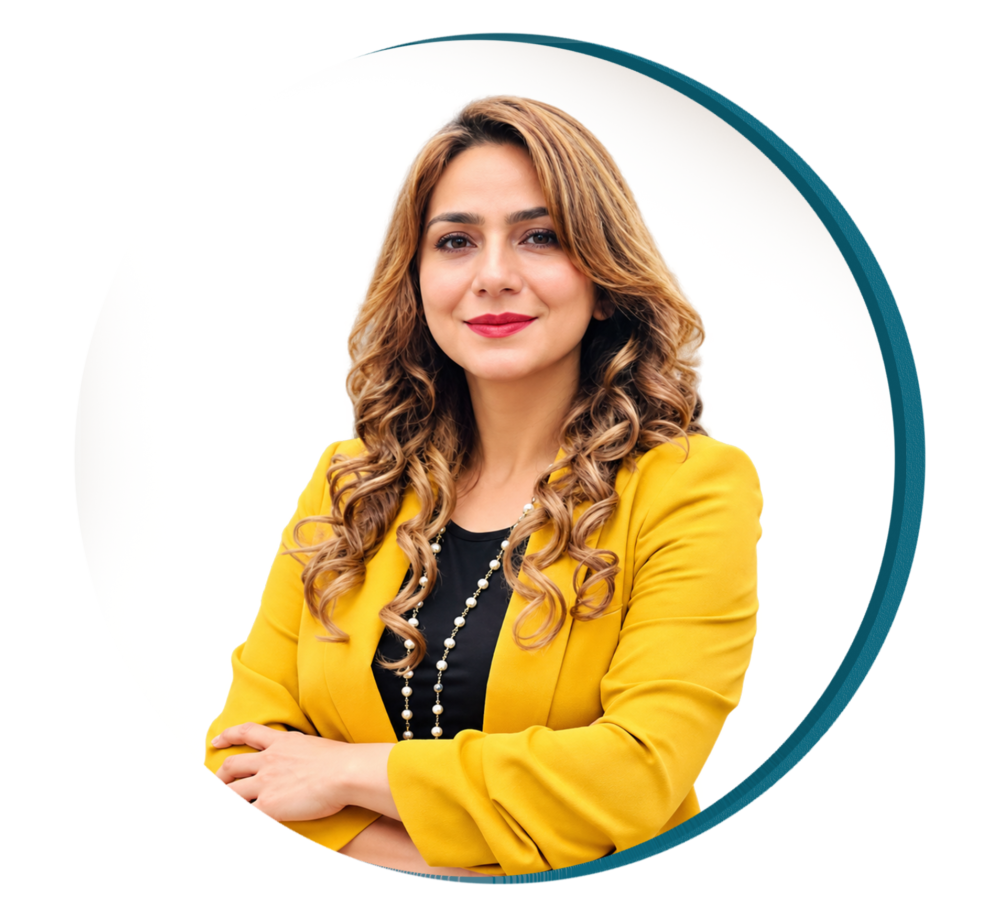
Dr Sobia Arshad
Dr Sobia Arshad
Consultant Endocrinologist
Dr Sobia Arshad is a Consultant Endocrinologist with broad experience in endocrinology, diabetes and metabolic medicine. She practises at The Blackheath Hospital, The Sloane Hospital and LycaHealth Orpington. Her particular clinical interests are obesity, thyroid disorders and lipid management, and she has a special focus on obesity medicine and the rapidly evolving range of treatment options now available to patients.
Alongside her clinical practice, Dr Arshad is committed to medical education. She holds a permanent post as Associate Lecturer at Kent and Medway Medical School, where she teaches Year 2 medical students. She is also actively involved in postgraduate education for GPs, organising and delivering sessions in collaboration with hospitals and healthcare organisations, as well as through webinars and wider teaching programmes.
Obesity medicine is a central theme of her teaching. As novel pharmacological treatments continue to emerge, she helps clinicians understand the evidence, appropriate patient selection, practical use, monitoring and potential adverse effects of these therapies, translating complex and evolving evidence into clear guidance for everyday practice.
Dr Arshad is highly regarded by students and healthcare professionals alike for her clear explanations, approachable style and ability to make complex subjects engaging and clinically relevant.